Anitha Krishnan's Digital Content Portfolio
Offering you glimpses into my wide array of creative works
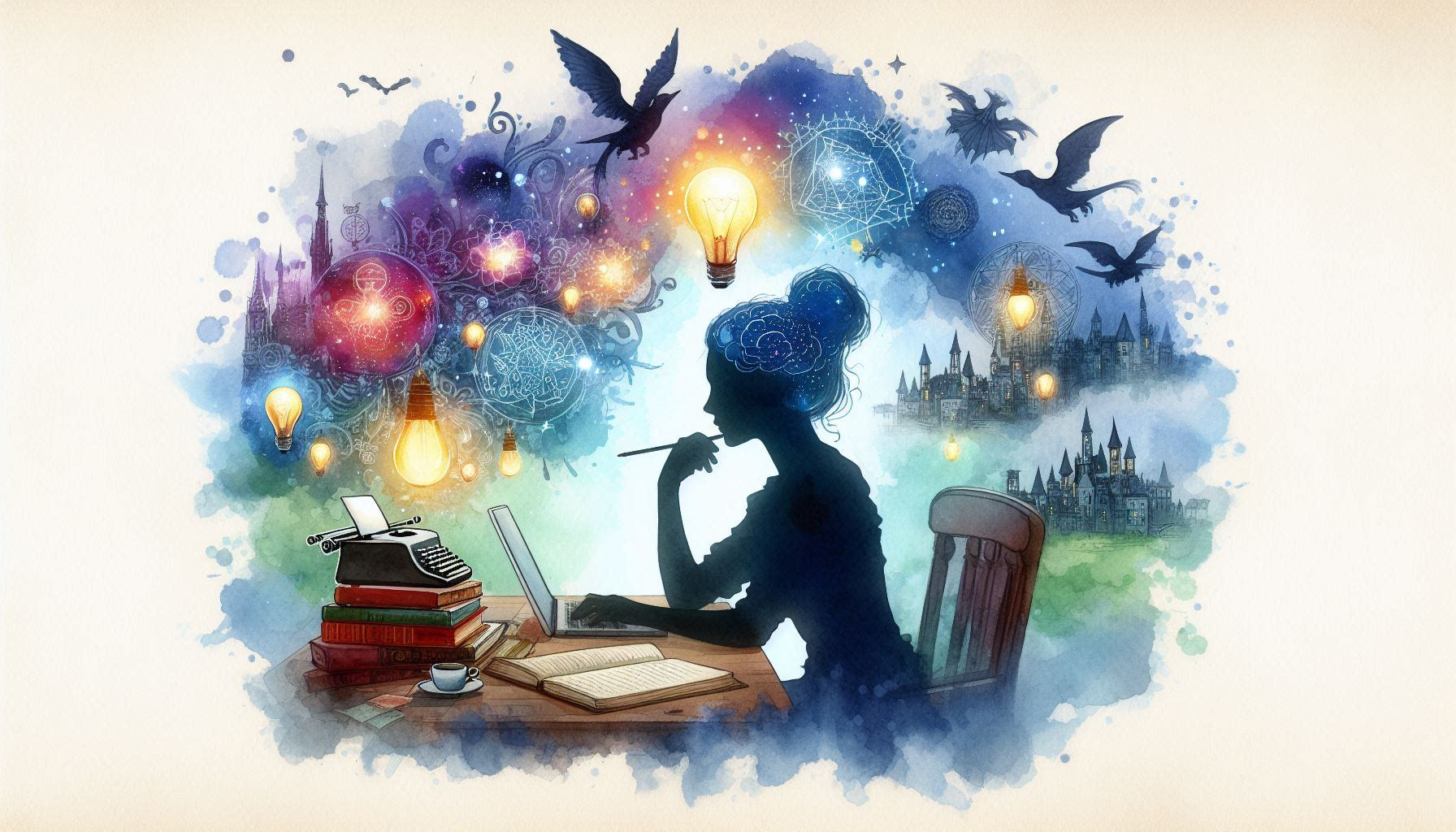
Here's a curated selection of diverse digital content I've created, showcasing my expertise in creative writing, editing, multimedia storytelling, and cultural content curation.
Indian- and Southeast Asian-inspired Flash Fiction
Tales For Dreamers is a collection of 150+ flash fiction stories, each inspired by an image. Below are two select stories inspired by Indian/South-east Asian scenes.
- 'The Clandestine Meeting of Gods to Discuss the Growing Wish-Lists of Human Beings'
 Anitha Krishnan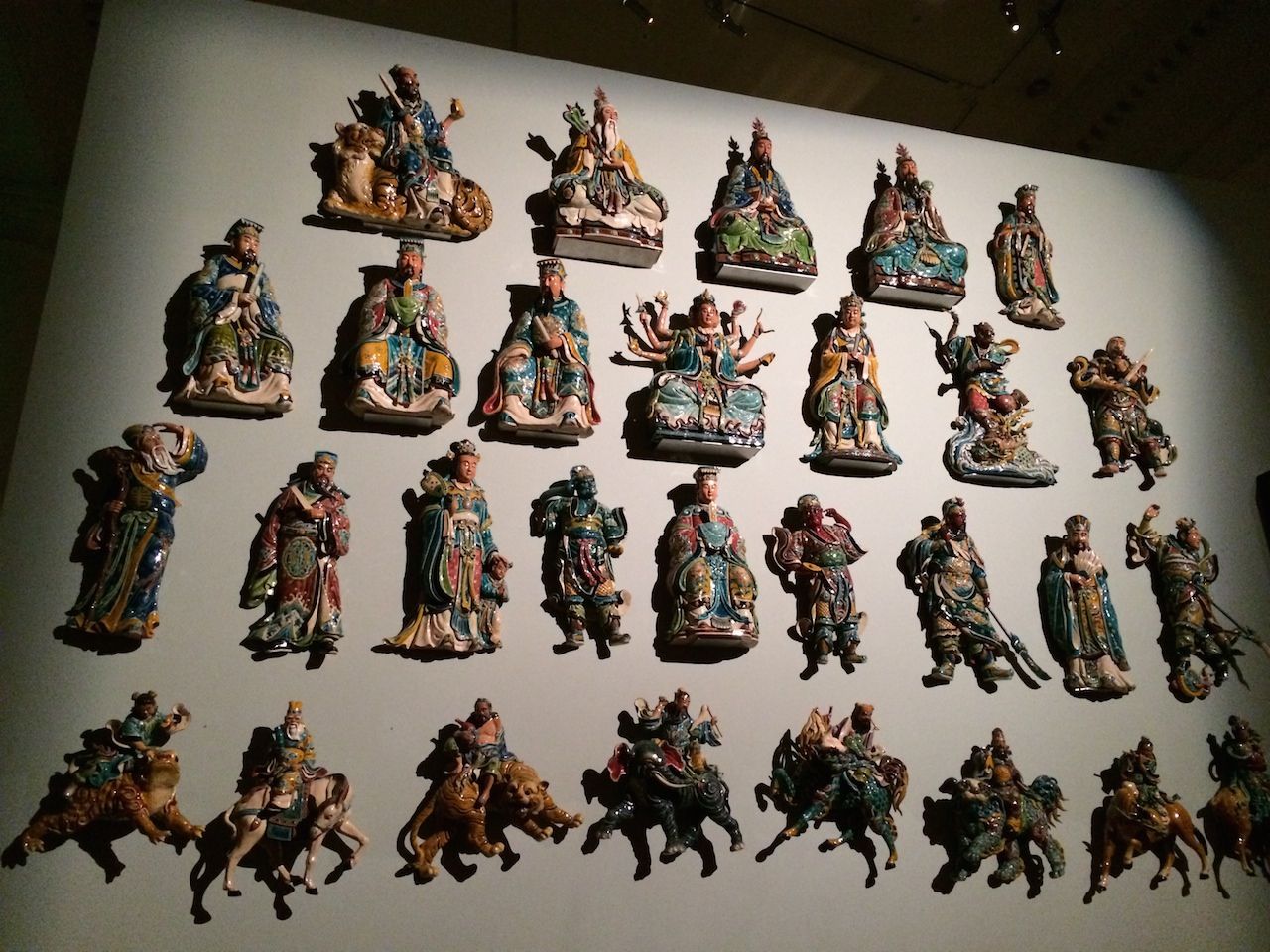
- 'An Unexpected Offering'
 Anitha Krishnan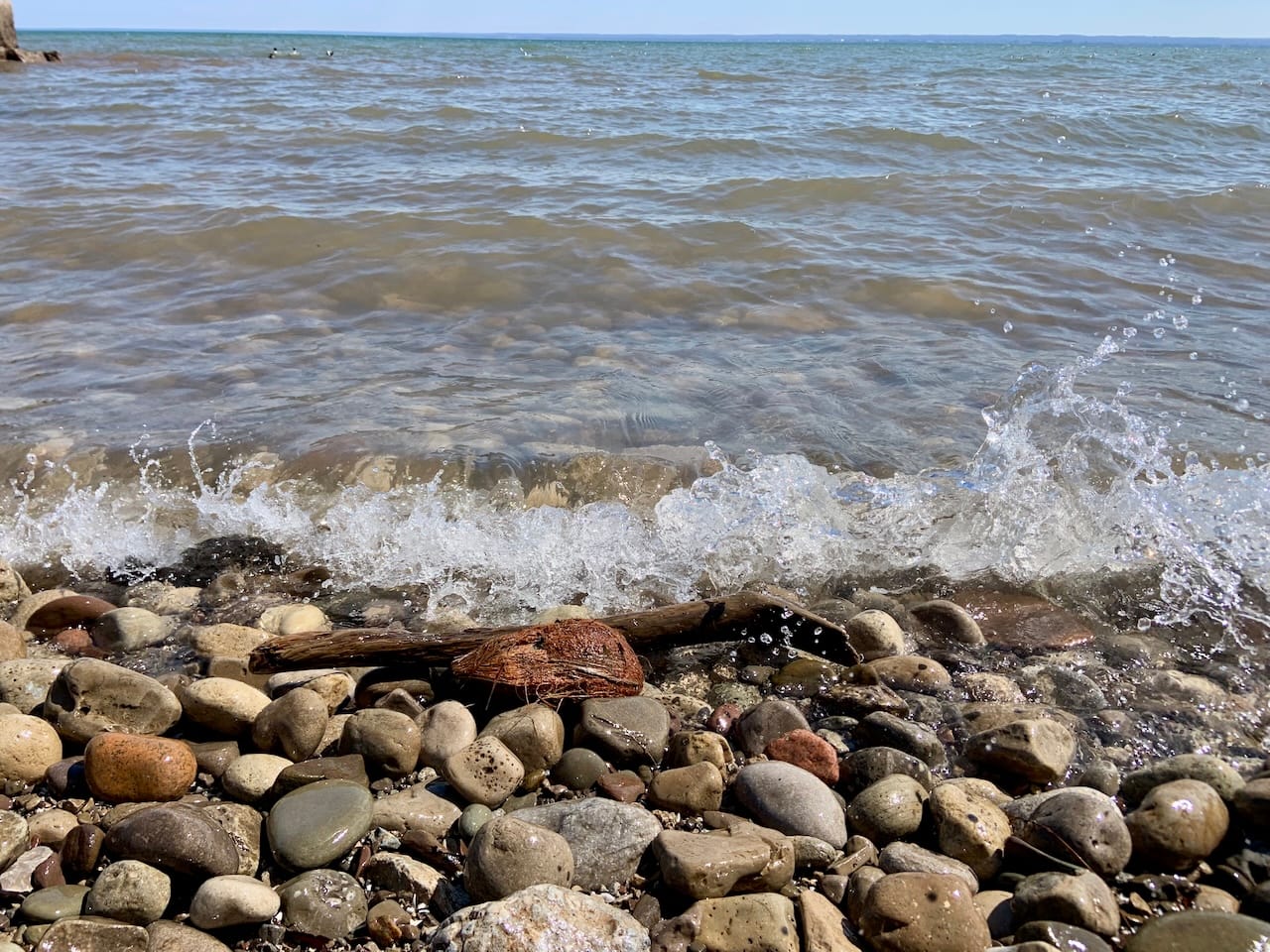
For more reading pleasure, all my flash fiction tales are archived here.
Novel Excerpt
Here's an excerpt from my contemporary fantasy novel, Dying Wishes, set in Burlington, Ontario, and inspired by Hindu Gods and South Indian folklore.
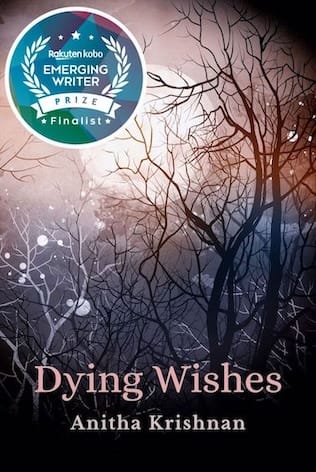
An excerpt from Dying Wishes
A God or Goddess must be so alluring that the body, mind, and soul are instinctively drawn to their presence without any hesitation whatsoever. But often, that devotion, when not appreciated or even acknowledged, is quickly superseded by doubt and anger.
It should therefore come as no surprise that when Ananya found her palms coming together in a gesture of prayer and her legs hobbled and carried her towards the raised platform where the deities were installed, she also grew aware of a stronger instinct to slip her backpack from her shoulders and fling it into the white marble face of Lord Krishna, whose idol, slightly taller than she was, took centre stage.
The Supreme God. The enchanter. The heartthrob among all Indian Gods, flaunting a crest of peacock feathers, a flute pressed to his lips, his consort Radha by his side, utterly mesmerised by his beauty, entirely oblivious to her own.
Amma always stressed how the Gods of South India were chiselled from black granite. The white marble statues on the raised platform were so far removed from the images Amma had planted in her mind that Ananya had to wonder if even the Gods had been forced to shed their South Indian duskiness in their journey across the Atlantic.
Periyar was performing aarti. In his right hand, he held a tall bronze lamp with five lighted wicks and gently moved it in a circular manner in front of the idol of Lord Krishna. In his left hand, he held a small bronze bell, which he tinkled in rhythm with the motion of the lamp.
The temple was pregnant with the aroma of ghee, which fuelled the wicks, and the fragrance of the sandalwood agarbattis set at the foot of each resident Indian God and Goddess. It was the fragrance of Ananya’s own home where miniature idols and large framed photos of a myriad of deities rested comfortably in the corner of the kitchen shelves beside countless jars of spices and pickles.
The look on Radha’s face was not unlike how bewitched Amma appeared whenever she stood in front of the Gods at home, hands folded, eyes closed, beseeching them for something that isn’t, her heart yearning to be somewhere other than here and now. It was a sentiment that Ananya understood only too well. At least Amma had another homeland to pine for. As far as Ananya was concerned, Oakville was the only home, Wintercrest was the only school, Amma was the only parent, and Periyar was the only other trustworthy adult she had ever known in her brief lifetime of seven years. There was nowhere else and no one else for her to escape to.
This title was a finalist for the 2023 Rakuten Kobo Emerging Writer Prize in the Speculative Fiction category. Learn more about the nomination and my writing process in this interview with Kobo Writing Life.
Monthly Missives From The Dream Pedlar
Below is the Books You May Love section excerpted from the January 2025 edition of my monthly newsletter to showcase my curated book recommendations, featuring engaging write-ups and reflections on Indian-themed literature.
Books You May Love: January 2025 edition
I read some gems this past month. There was Chitra Banerjee Divakaruni's Independence, set in eastern India at the time of partition. It was such a powerful story, told in a truly gripping manner, with a vast array of characters all of whom I ended up rooting for so much that the heartbreak that came towards the end was too much to bear. I couldn't wait to grab another title by the author, but seeing as how indulging in her works kept me from progressing on my own writings, I've decided to return to Divakaruni's works only after I finish writing Book 1 in my ongoing series!
Then there was The Last Word by Elly Griffiths, featuring characters from her Inspector Harbinder Kaur mystery series including a group of amateur sleuths — a Ukrainian woman, an ex-monk who now runs a coffee shop, and an older gentleman in his eighties who lives in a retirement home. They make an unlikely trio and add a lot of humour and chutzpah to the story.
Then there was this vampire novel unlike any other I've ever read before, but to call it a vampire novel would be very reductive. So Thirsty by Rachel Harrison is a story of two women coming to grips with having been turned into vampires, although the transformation itself occurs only about a third of the way into the book. It is also a tale of female friendship, of cheating husbands and wild love affairs, and the practical choices people tend to make to ensure their lives can remain safe and predictable, when life is anything but that!
But the book that really stood out for me this month was Death Of A Lesser God, Book 4 in the Malabar House series, by Vaseem Khan. Set in Bombay in the 1950s, against the backdrop of the tumult of post-independence India, the mystery series features India's first female police inspector, Persis Wadia, allowing the author to explore the issues Persis faces at her workplace in addition to tackling the gamut of crimes erupting in the country.
In Death Of A Lesser God, Wadia is called to reinvestigate the case of a white man, James Whitby, who has been sentenced to death for the murder of a prominent lawyer and former Quit India activist.
As Wadia sets out to establish Whitby's innocence or guilt, we get to see a nation where the white man has become a symbol of the oppressive colonial rule of the British and is unlikely to receive justice; many would simply love to see him hang as retribution for the centuries of oppression inflicted on Indians by the British. But we also get to see people who are determined to not let an innocent man die just because he is of the wrong colour or background.
On top of that, we also get to hear Whitby's perspective throughout the ordeal, brilliantly so! He is white, his father is an eminent industrialist who profited greatly from the colonial rule. But Whitby was born and brought up in India; he identifies as Indian, and feels out of place in the UK when he briefly heads to Oxford for higher studies.
Khan ends the tale with a chapter narrated from Whitby's perspective, and these lines are so reflective of the dilemma so many of us face in the present times that I simply have to share them here.
"The one thing I am sure of is that I will not leave India. This is my home. If fate decrees that I die here, then so be it.
My identity is not up for debate. I am a white man and I am an Indian. A strange bird, but this is my forest and if I am to fly, then it shall be here."
~ An excerpt from Death Of A Lesser God by Vaseem Khan
You can also read the entire edition, January Jests, for more musings on living the creative life. All editions of Monthly Missives are archived here.
Story-Songs on YouTube
I narrate my flash fiction tales and couple these narrations with music to publish incredible story-songs over on YouTube. This is a young channel, started only in mid-June! I'm quite excited for its growth.
- 'Guardians Of Time'
- 'An Invitation To Dance'
To indulge in more story-songs, visit my YouTube channel, The Dream Pedlar.
Poetry
- 'A Snow Avatar' won 1st place in poetry in the annual writing festival organized by Burlington Public Library, May 2024.
A Snow Avatar
I do not wish to become a star when I die.
Let me become snow instead
so the snow clouds may carry me wherever they please.
Even when I tumble to the ground from dizzying heights
a million flakes, a billion flakes,
I will do so gently.
So pure and clean will I be,
you will not have the heart to trample on mine.
I will wait for the lone child to come and press their cheeks to me,
to make snow angels and bring them to life by the magic of their touch,
to make snow balls to hurl into the air,
to pack and roll me into a snow-person or a snow-bear.
I will not mind a carrot-nose or button-eyes or twig-arms.
Proudly will I stand
until the spring sun thaws me
into a shapeless mound,
melts me, softens me,
so I can slink through the earth,
make the slow, deliberate journey
to the roots and the seeds waiting for my call,
and whisper in their ears,
"Wake up! Now is the time to bloom."
- 'Brushing Your Teeth With Mindfulness' won the Editor's Choice Award in the Spirit First Poetry Contest, 2020.
Brushing Your Teeth With Mindfulness
We spend one half of an hour
brushing our teeth each morning
not every minute is spent
at the sink, of course
you run around
so I can sing the song
you and I composed long ago
“Please come back, please come back,
Please come back to the ba-a-throom
and brush your teeth
using to-o-o-o-thpaste,
Please come back to the ba-a-throom,”
Set to the tune of
This Old Man
the notes to which you stop
to play on the xylophone
toothbrush in mouth
half-chewn, half-forgotten,
“Please come back, please come back,”
I croon again
from my perch on the toilet seat,
well covered
“My turn now,” I jump,
as you return
and I brush your teeth now,
a rushed-up job
reminding myself endlessly
to be patient
as you turn away
to suck the paste
or rinse and spit
each time the brush
lands on your teeth
Our bathroom is a science lab
you tilt your head this way
and feel the water pool
in your right cheek
you tilt your head that way
and feel the water pool
in your left cheek
then seep out of
the corner of your mouth
gurgling and bubbling
like a fountain
and you offer to clean the basin
using your toothbrush
it has bristles after all,
doesn’t it?
And I am torn between
admiring you
and worrying about
how late we already are
late to the start of your preschool
It makes me laugh, really,
how ridiculous my priorities are
When I wish you’d just learn
to brush in less than two minutes
I realise I am wishing upon you
a lifetime of deadlines and anxieties
a lifetime of wrecked priorities
Decades from now
some mystic will come along
and offer you
an antidote to pain
he will teach you
and a million others
how to brush your teeth
feeling nothing but
the squish of the paste,
the motion of the brush,
back and forth, and back and forth
the coolness of the water
swishing around in your mouth
And you will look in the mirror
your eyes seeking there the child
who once knew the delight
that lay in brushing his teeth
with his mother
for an entire half of an hour
singing and dancing
and chasing and being chased
and gurgling and bubbling
and experimenting
and having a bath at the sink
Who will come to your mind then,
I wonder?
A mother who rushed you
through your childhood
Or one
who learnt from you how to live
and simply let you be?
For more meanderings into poetry, check out my collection here.
Essays
- 'How I fell in love with the fantasy genre' first appeared in the March 2024 newsletter of the International Association of Science-Fiction and Fantasy Authors (IASFA). It explores my personal connection to the fantasy genre, with specific references to Indian fantasy literature and its cultural influences.
How I Fell in Love with the Fantasy Genre
Isn’t it funny how we spend our lives looking for something only to realize it has been with us all along?
Growing up in India in the 80s, my childhood reading interests ranged from western children’s adventures and teen sleuth mysteries (Enid Blyton, Nancy Drew, Hardy Boys, The Three Investigators) to Indian literature, including animal fables (Jataka Tales and Panchatantra) and stories based on the Hindu epics, Ramayana and Mahabharata.
My knowledge of the latter came through a wildly popular series of comics, titled Amar Chitra Katha, whose founder, Anant Pai, was reportedly shocked to discover in the 60s that Indian children were well-versed in Greek and Roman mythology but couldn’t answer questions pertaining to Indian epics in a quiz that aired on national TV.
As a child, I devoured these comic books but kept my feet firmly grounded in reality. No god would come to my rescue if I forgot to do my homework!
The first time I really lamented the absence of magic in real life was when I finished reading the first Harry Potter book at university. I turned the last page and promptly set about crafting a feather-shaped cut-out bearing the words Wingardium Leviosa, desperate to somehow hold on to that breathtaking magic in real life.
Then I fell in love and got married, and that hunger for something otherworldly was sated. Temporarily.
Until I read Neil Gaiman’s Neverwhere and Anansi Boys, and could no longer walk down the streets without wondering if, even hoping that, some supernatural being would leap out at me around the next corner, consequences be damned.
Then Erin Morgenstern burst onto the scene with her flax-golden tales, weaving stories of fantasy and whimsy paired with photographs of ordinary life. Magic once again erupted into everyday life and I devoured her weekly offerings like a hungry ghost.
Later, when I moved to North America, I spent a considerable amount of time seeking that magic in its suburbs. In vain.
I turned to writing fantasy fiction as a salve for my disappointment. My initial attempts at short stories felt like cheap imitations of the works of Gaiman and Morgenstern.
But I kept writing, and unexpectedly, the gods of my childhood started creeping into my stories. I was worried their tales wouldn’t find an appreciative audience in North America, except among the South Asian diaspora.
Then, in an act of true magic, a dear friend pointed me to Christopher Pike’s Thirst series, formerly The Last Vampire.
Pike’s incorporation of Hindu philosophy, his depiction of Lord Krishna, and his formidable protagonist—a 5,000-year-old vampire named Sita (a Hindu goddess) in 1990s America—were so fantastic and wildly imaginative yet so respectful of Hinduism these books made me fall back in love with the very gods I had resisted writing about.
This is what fantasy does best. First, it shows you the magic that already exists in your life. Then it gives you the courage and permission to claim it for yourself.
- 'Finding Self-Love in the Time of Coronavirus', appeared in the Writing The Rollercoaster anthology published by Burlington-based authors, featuring stories of the pandemic. This piece offers reflections on resilience and what truly matters during challenging times.
Finding Self-Love in the Time of Coronavirus
Lockdown, for me, began down under in February 2016. I was nineteen weeks pregnant and, owing to complications, had been sentenced to bedrest for the remainder of my pregnancy in beautiful Sydney, Australia.
The rest of the world continued to whir around me as my own shrivelled and shrank, first to the confines of my bed and, in the days and months and even the first couple of years following my little one’s arrival, expanded mostly to the rest of our home and the neighbourhood playground.
Burlington became home in the summer of 2018. My world as a stay-at-home mom with a toddler now also included the beach, various neighbourhood parks, the Central library, and the local EarlyON centre.
It’s funny that my little one has fond memories of our daily excursions to these myriad places because what I remember the most about them is me standing forlorn under clear blue skies, gawking at mom-friends who chatted pleasantly away while their little ones played merrily nearby, and wondering if I could walk up to them and say, “Will you be my friend, please?” or a more appropriate version for grown-ups.
The few acquaintances I made at various parent-and-child hangouts talked about the awesome ‘community’ I’d discover, but with these conversations progressing to nothing more, that community remained elusive.
Not only was I feeling lonely and isolated having just moved to this city where we knew no one, but I was also worried I was failing my child by being unable to secure for him either a sibling (a fallout of that nightmarish pregnancy) or a playdate mate.
My husband and I decided that preschool would provide what I sought for my little one: friends, and a safe place for socialisation. Unfortunately, my child was quite reluctant to go to the preschool we enrolled him in. Although it was only a two-mornings-a-week affair, he was bored and constantly being hit by another child. A part of me wanted to pull him out of this situation, but the other part, the fearful one that had bought into expert advice on ‘socialisation’, had me convinced that my three-year-old, with no siblings and few playdate mates, would grow up to be a sociopath if he didn’t pick up social skills before venturing into kindergarten.
Little wonder then that my first reaction to the announcement of the lockdown in March 2020 was that of relief. So small my world already was, with few friends and family in the vicinity, that I stood to gain more than lose from a few weeks of being homebound.
My husband would be home all day. Yay! Could you imagine the joy of simply having another adult to talk to during the day?
Moreover, I could happily brush away all socialisation concerns pertaining to my three-year-old. For socialisation had now become taboo. Friends were prohibited. And it was OK for Netflix to become our best friend and our child’s too. Just like that, everything that was long deemed essential and critical to wellbeing and growth had been relegated to a ‘non-essential’ status overnight.
Every time a friend or a family member reached out to share how they found themselves struggling to be with their kids at home in this new normal, I could empathise.
But alongside was an undercurrent of smug relief, a cruel satisfaction that finally the rest of the world was getting a taste of the kind of social isolation I had been enduring since I first went on bedrest four years ago. I remember telling a friend that life in lockdown for me was quite like being a stay-at-home mom without all the FOMO – fear of missing out.
But over time, I began to feel a little cheated. If we could now somehow find skills to survive and thrive in a world without friends and playdates, why had I squandered so much time and energy fighting my reality (lack of a social network), fixating on what I couldn’t achieve (playdate mates for my child), and badgering myself to find a way around my limitations?
I also began to notice how truly relaxed and comfortable my almost four-year-old was with himself, with the situation, and with his surroundings. Paw Patrol became only a biweekly indulgence, up from our weekly pre-pandemic schedule. He found his own rhythm in this new normal, enjoying a rare drive-by visit from a family friend on his fourth birthday just as much as a day spent playing with cars or a family jaunt to the beach or a walk into the woods at Rattlesnake Point. He was at ease with himself and revelled in whatever each day presented us with.
Months later, as the restrictions began to ease and the world started to open up, I was distraught that the brief contentment I had found in staying at home, staying put, staying still, would uncoil and slip away from me as the rest of the world started to gallivant about once again, even if in only a limited fashion. We didn’t have a social circle, and that all too familiar despondency, those feelings of failure and inadequacy, began to sneak up on me again.
But I wasn’t prepared to go back to running from pillar to post. I no longer saw sense in filling up our days and weekends with endless stimuli from the world outside, so much so that we wouldn’t even notice our inner voices fade, first into mere whispers and eventually into oblivion. I was afraid of slipping back into the same pre-pandemic patterns of forcing myself and my child to achieve some immeasurable social goals the world had deemed worthy of pursuit.
And for the first time in my life, I realised I didn’t have to respond to the siren songs of this world, which have proved to be more fleeting than shadows and less accurate than an inebriate’s aim.
It took me a pandemic and the innate wisdom of my four-year-old to understand that the most important relationship we can nurture in our lifetime is with ourselves. How we love and value ourselves shapes how we perceive the outer world and our place in it.
Socialisation then simply becomes the ability to present our true, authentic selves to the world and embrace everyone for who they are.
It has little to do with whether or not we have friends and playdates, birthday parties and backyard barbecues.
It has everything to do with the ease with which we become our own best friend under all circumstances, irrespective of any external achievement or lack thereof, so that authenticity, and not desperation, drives our decisions and relationships.
This is hard to do in a capitalist world that thrives on feeding our perceived inadequacies and deficiencies so that we’d consume any solution it offers without pausing to consider whether there is even a problem in the first place.
But when guided by self-love, we meet life with radical acceptance. Our relationships then do not serve to distract us from the pain of life but offer opportunities to explore this world through different perspectives. And the most beautiful truth is that children are naturally adept at this fundamental life skill of self-love.